Section 8 Eviction Process in NYC: What Landlords Must Know
Section 8 Eviction Process in NYC: What Landlords Must Know
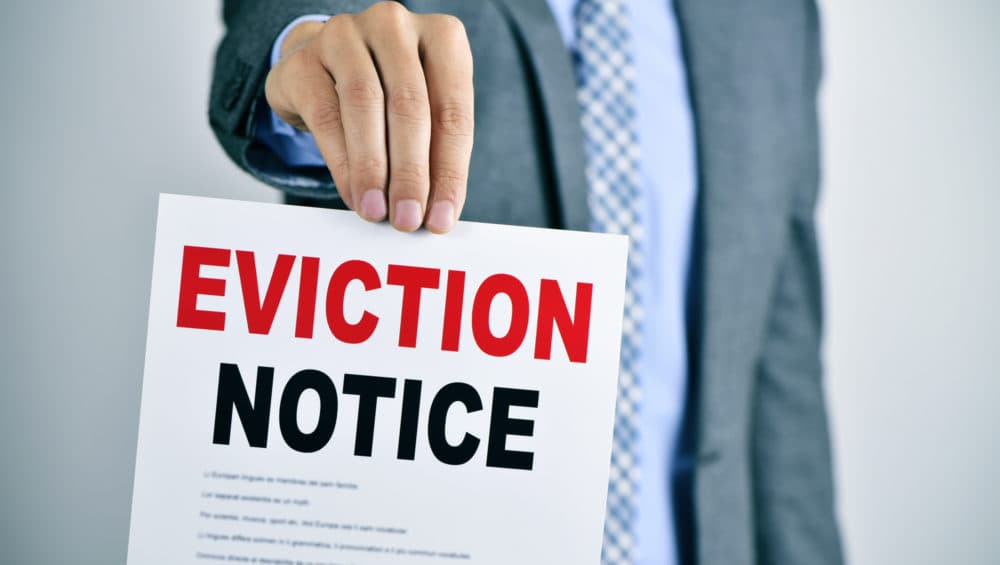
Evicting a Section 8 tenant in New York City follows the same basic Housing Court procedures as any other eviction, but with additional notification requirements that involve NYCHA directly in your case. The most important thing to understand upfront is that you cannot evict a tenant for NYCHA's failure to pay its portion of the rent, only for the tenant's own failures, and you must submit specific certification paperwork to NYCHA before filing certain types of cases. Getting these procedural requirements wrong can result in your case being dismissed, forcing you to start over and adding months to an already lengthy process.
The goal here is not to make eviction easier or more attractive as an option, since the process remains expensive, time consuming, and disruptive for everyone involved. Rather, understanding the mechanics helps you protect your rights when eviction becomes necessary while avoiding the procedural errors that trip up landlords unfamiliar with Section 8's additional requirements.
Valid Grounds for Eviction
Federal regulations under 24 CFR 982.310 establish the grounds on which a landlord may terminate a Section 8 tenancy. These mirror the grounds available for any NYC tenancy, but the regulatory framework makes them explicit:
Serious or repeated lease violations. This includes nonpayment of the tenant's portion of rent, damage to the unit beyond normal wear and tear, unauthorized occupants, and other material breaches of your lease agreement. A single minor violation generally isn't sufficient, but serious violations or a pattern of repeated violations can support eviction.
Violation of law affecting the premises. If the tenant violates laws that impose obligations related to occupancy or use of the unit, such as maintaining a nuisance, you may have grounds to terminate.
Criminal activity. Drug related criminal activity on or near the premises, or violent criminal activity by the tenant, household members, or guests, provides grounds for eviction. The lease must contain provisions addressing this, which the HUD model lease addendum includes. Importantly, you can proceed based on a determination that criminal activity occurred without needing an arrest or conviction.
Alcohol abuse. If a household member's alcohol abuse interferes with the health, safety, or peaceful enjoyment of the premises by others, this constitutes grounds for termination.
Other good cause. This catch all category covers situations like the tenant's refusal to accept modifications to the lease at renewal, or chronic late payment that disrupts property management even when full payment eventually arrives.
What you cannot do is evict a Section 8 tenant because NYCHA fails to pay or is late paying its portion of the rent. The tenant is not responsible for NYCHA's share, and attempting to recover that portion from the tenant or evicting based on NYCHA's nonpayment will fail in court.
The NYCHA Certification Requirement
Before commencing an eviction case in Housing Court for two specific grounds, you must submit NYCHA Form 059.518, the Certification of Basis for Eviction, to NYCHA and mail a copy to the tenant. The two grounds requiring this certification are:
- Nonpayment of the tenant's portion of rent
- Termination or suspension of the Section 8 subsidy resulting in a holdover action
The certification form requires you to specify the tenant's monthly share, which months went unpaid, the total amount owed, any additional rent permitted under the HAP contract, and the contractual rent amount. You can obtain and submit this form through the NYCHA Owner Extranet portal.
After receiving your certification, NYCHA reviews it and may either not object or may object to the proceeding. If NYCHA objects, you can still proceed with your case in Housing Court, but you must name NYCHA as a co-defendant. This adds complexity but does not prevent you from pursuing eviction if you have valid grounds.
For other grounds like lease violations, criminal activity, or holdovers based on lease expiration, the certification requirement doesn't apply, though you still must provide NYCHA with copies of predicate notices and court filings as described below.
Notice Requirements
Federal regulations require that you give NYCHA a copy of any "owner eviction notice," which HUD defines as a notice to vacate or the initial pleading used to commence an eviction action under state or local law. In NYC, this means:
For holdover cases: The Notice to Quit (typically 30 days for month to month tenancies, or 90 days for tenants who have resided for more than two years under the 2019 rent law amendments) must be mailed or delivered to NYCHA on the same day it's served on the tenant. When you later file the Notice of Petition and Petition, you must either serve these on NYCHA as you would serve a party, or mail them by overnight delivery. Regular mail is considered defective service and can result in dismissal.
For nonpayment cases: After submitting the certification form, you proceed with the standard nonpayment petition process, but NYCHA must receive copies of the filed papers.
The Williams Consent Judgment, a longstanding court order governing NYCHA Section 8 procedures, establishes specific notice and certification protocols that NYC landlords must follow. While some technical violations may be excused as de minimis (for example, mailing to the wrong floor at 90 Church Street was deemed insufficient to warrant dismissal in one recent case), it's best to follow NYCHA's instructions precisely.
Types of Eviction Cases
Nonpayment Proceeding. When your tenant fails to pay their portion of rent while under a valid lease, you bring a nonpayment case. You must first submit the certification to NYCHA, then serve a rent demand (typically 14 days in NYC), and if unpaid, file a nonpayment petition. The petition can only seek the tenant's portion of rent, not NYCHA's share. In court, if the tenant pays or you reach a stipulation for payment, the case resolves. If not, you proceed to trial and potentially to judgment and warrant of eviction.
Holdover Proceeding. Holdover cases cover situations where the tenant remains after the lease expires, after you've terminated the tenancy for cause, or after the Section 8 subsidy terminates. The process depends on whether you have a valid lease:
If the lease has expired and the tenant is month to month, you serve the appropriate termination notice (30 or 90 days depending on tenancy length), then file a holdover petition after the termination date passes if the tenant hasn't vacated.
If the tenant has violated the lease, you may need to serve a notice to cure giving them an opportunity to remedy the violation, followed by a notice of termination if they fail to cure, before filing the holdover.
If the Section 8 subsidy has been terminated or suspended and you want to recover the apartment, you follow the holdover process after confirming with NYCHA that assistance has indeed ended.
In holdover cases involving Section 8 tenants, the Notice of Petition and Petition must be served on NYCHA by personal delivery or overnight mail.
The Housing Court Process
Once you file your petition, the case proceeds through NYC Housing Court:
First appearance. You and the tenant appear on the scheduled date for a conference with the court attorney. This is not a trial but an opportunity to explore settlement. Many cases resolve at this stage through stipulations where the tenant agrees to pay arrears over time, cure violations, or vacate by a certain date.
Adjournments. If the case doesn't settle, it gets adjourned for further conferences or marked for trial. Housing Court is notoriously backlogged, and adjournments stretching months are common.
Trial. If you proceed to trial, you present evidence supporting your case. For Section 8 matters, you must demonstrate that you followed the proper certification and notice procedures, that NYCHA was properly served, that you're not seeking NYCHA's portion of rent, and that you have valid grounds for eviction.
Judgment and warrant. If you prevail, the court issues a judgment and warrant of eviction. The tenant typically has time to vacate or appeal. If they don't leave, you schedule the eviction with a City Marshal, who provides additional notice before executing the warrant.
The entire process from filing to actual eviction commonly takes six months to over a year in NYC, and that's if everything goes smoothly. Procedural errors can add substantial additional time.
What Makes Section 8 Evictions Different
Several factors distinguish Section 8 evictions from market rate cases:
NYCHA involvement. You're not just dealing with your tenant but with a government agency that has its own interests and procedures. NYCHA may object to your eviction, requiring you to name them as co-defendant and potentially defend your actions to the agency as well as the court.
Protected income source. You cannot discriminate based on the tenant's use of a voucher, and you cannot pursue them for NYCHA's portion of rent. This limits your remedies compared to a fully private tenancy.
Ongoing subsidy considerations. If your tenant is evicted, they may lose their Section 8 voucher depending on the grounds for eviction. For violations of family obligations like nonpayment of rent or criminal activity, NYCHA may terminate the tenant's program participation. This doesn't directly affect your eviction case, but it means the stakes are high for the tenant.
Continued payments during litigation. NYCHA continues paying its portion of the subsidy during eviction proceedings, up until the tenant actually vacates or a court orders otherwise. You don't lose that income stream while the case is pending, which provides some financial cushion during lengthy litigation.
Practical Considerations
Document everything. Keep records of every late payment, every lease violation, every communication. If you eventually need to go to court, contemporaneous documentation is far more persuasive than reconstructed memories.
Consult an attorney. Housing Court in NYC is complex, and Section 8 cases add additional procedural layers. An experienced landlord tenant attorney can ensure you don't make errors that result in dismissal and delay. The cost of legal representation is usually justified by avoiding procedural mishaps.
Consider alternatives. Eviction is expensive and time consuming. If your tenant is having temporary financial difficulties, working out a payment plan may be more practical than litigation. If the relationship has broken down irreparably, sometimes a cash for keys agreement where you pay the tenant to leave voluntarily produces a faster, cleaner resolution than fighting through court.
Communicate with NYCHA. Before escalating to eviction, contact NYCHA about the situation. If the tenant isn't paying their share, NYCHA may be able to intervene or may initiate its own termination of the tenant's program participation, which changes your strategic options.
Resources for Landlords
If you're facing a difficult tenant situation, these resources can help:
The NYCHA Owner Extranet is where you obtain and submit the Certification of Basis for Eviction form and track your Section 8 account status.
For understanding what happens when a tenant doesn't pay their portion, we've covered the options available before and during the eviction process.
Our tenant screening guide can help you avoid problem tenants in the first place by applying consistent screening criteria within legal bounds.
The NYC Housing Court website provides forms, procedures, and information about the court process.
---
For Tenants: If you're facing eviction, you have rights. Contact 311 and ask for the Tenant Helpline, which can connect you with free legal services through NYC's Office of Civil Justice. Section 8 tenants have additional protections, and procedural errors by landlords may provide defenses. Don't ignore court papers, and seek legal help immediately.
---
External Resources
- NYCHA Section 8 Property Owner Guide - Official NYCHA guidance including eviction procedures
- 24 CFR 982.310 - Owner Termination of Tenancy - Federal regulations governing Section 8 evictions
- NYC Housing Court Information - Court procedures, forms, and resources
- NYC Eviction Protection Resources - City resources for both landlords and tenants
- Tenant's Guide to NYC Housing Court - NYC Bar Association guide to court procedures
Internal Links Summary
- Section 8 Tenant Not Paying Portion - Options before eviction
- How to Screen Section 8 Tenants - Avoid problems upfront
- Section 8 Annual Recertification - Understanding the recertification process
- List Your Property - Find qualified voucher-holding tenants
- Browse Listings - For tenants seeking voucher-friendly housing
Stay Updated on NYC Housing
Get the latest on fair market rents, voucher programs, and tips for navigating NYC housing.
No spam, ever. Unsubscribe anytime.
VoucherMatch Team
Connecting voucher holders with landlords who welcome them. Building a better housing market for everyone.
Related Articles
Multi-Family Section 8 Strategies: Scaling Your NYC Voucher Portfolio
Strategies for multi-family property owners to maximize Section 8 participation. Portfolio management, NYCHA Owner Extranet, rent optimization, and compliance at scale.
12 min readSection 8 Reasonable Accommodation Requests: A Guide for Tenants and Landlords
How to request and respond to reasonable accommodations in NYC Section 8 housing. NYCHA process, common accommodations, landlord obligations, and medical verification requirements.
12 min readSection 8 Window Guard Requirements NYC: Local Law 57 Compliance
NYC landlords must install window guards where children 10 or younger reside. Annual notice requirements, costs, installation specs, and Section 8 inspection tips.
10 min readList Your Property Today
Join hundreds of landlords connecting with qualified voucher holders on VoucherMatch.